Face & Eye Masks
Explore face masks, sheet masks and eye patches for your skincare needs.

Explore face masks, sheet masks and eye patches for your skincare needs.


More hydration, less shine or softer-feeling skin: the right face mask depends on your skin type and current skincare needs. Explore the main mask types and discover what to consider when choosing.
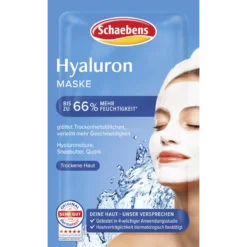
Dry skin may feel rough, flaky or tight. Look for moisture-binding ingredients such as glycerin and hyaluronic acid. Richer formulas can also help retain moisture. Choose a formula specifically suited to dry skin, whether you prefer a cream mask or a sheet mask.
Masks containing clays such as kaolin or bentonite can absorb excess oil. Formulas with salicylic acid may also be an option for blemish-prone skin. Consider your skin’s tolerance and the products already in your routine.
Oily skin still needs hydration. Lightweight products labelled non-comedogenic are one option to consider.
Does your T-zone — forehead, nose and chin — look shiny while your cheeks feel dry? Multi-masking means applying different masks to specific areas: for example, a cleansing mask on your T-zone and a hydrating formula on drier areas. Follow the instructions for each product.
Choose gentle formulas and pay attention to the ingredients your skin tolerates. Fragrance-free products may be a suitable choice. The mask format alone does not determine how well your skin will tolerate it. Test new products on a small area first and avoid ingredients that have previously caused a reaction.
If your skin generally feels balanced, choose according to your current preferences. Would you like extra hydration or a particular texture? A face mask is an optional addition to your routine. Extra skincare steps are not automatically necessary.
A mask’s format mainly determines how you use it. Terms such as “hydrating mask” or “cleansing mask” describe its skincare purpose.
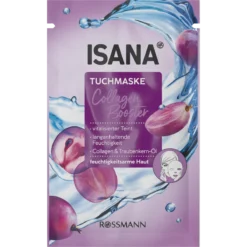
Sheet masks consist of a sheet soaked in a skincare formula that you place over your face. Remove it after the recommended application time. Depending on the product instructions, gently massage in the remaining formula or remove any excess.
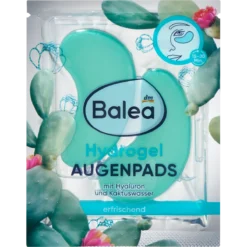
Hydrogel masks have a gel-like structure and sit directly on the skin. Some come in separate pieces to fit different areas of the face. Follow the product instructions for application time and whether any residue should be removed.
Apply these masks directly to your skin. Cream masks often have a richer texture, while gel masks tend to feel lighter. Suitability depends on the complete formula. Depending on the instructions, rinse the mask off or remove any remaining product.
Clay masks can absorb excess oil and are often used for oily skin. Apply them to your face or selected areas as directed. Rinse off wash-off formulas thoroughly after the recommended application time.
Peel-off masks form a film that you gently peel away once dry. Exfoliating masks help remove dead skin cells, for example through exfoliating ingredients. Consider your skin’s tolerance and the rest of your skincare routine, especially if you have sensitive skin.
Overnight masks, also called sleeping masks, are designed to remain on your skin overnight according to their instructions. Only use products specifically intended for this purpose. Leaving a regular face mask on longer does not automatically make it more effective.
Remove the mask immediately if you experience burning or itching.