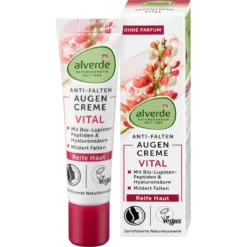
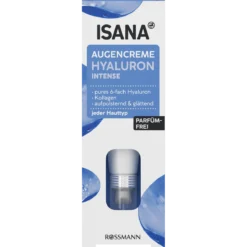
Eye Care

Explore eye creams and gels for moisturizing care around the delicate eye area. Choose according to your main concern, from dryness to the appearance of fine lines, dark circles or puffiness, and check each product’s intended benefits.

Discover eye creams and gels for hydration and care suited to your eye area’s needs.

Eye Care Guide: Find the Right Eye Cream for Your Needs

Eye care helps keep the skin around your eyes hydrated and comfortable. Whether you prefer a nourishing eye cream or a lightweight eye gel, the right formula depends on your main concern and preferred texture. Dryness, fine lines and tired-looking eyes may call for different approaches.

Choose Eye Care for Your Skin's Needs

Dry under-eye skin often benefits from a moisturizing eye cream with ingredients such as glycerin, hyaluronic acid or ceramides. A richer texture may feel more comfortable when the area feels tight or lacks softness. Sensitive skin generally benefits from a gentle, fragrance-free formula specifically designed for the eye area. Introduce one new product at a time and stop using it if irritation occurs. Explore complementary care for sensitive skin. A preference for lightweight care may make an eye gel or light cream a comfortable choice. Allow the product to absorb before applying concealer or other makeup. Mature skin may benefit from moisturizing formulas that soften the appearance of dryness-related fine lines. Choose additional targeted care according to your main concern and the product's intended use.

Eye Cream vs Eye Gel: Choosing a Texture

Different eye care textures suit different preferences and routines. Eye creams typically offer a creamy texture and can be a comfortable option for dry under-eye skin. Lighter creams may suit daytime use, while richer formulas may fit an evening routine. Eye gels generally feel lighter and may provide a refreshing sensation during application. They can appeal to those who prefer less richness around the eyes. Texture alone does not determine how effective or gentle a product will be. Compare the complete formula, intended use and your skin's response rather than choosing by product name alone.

Eye Cream for Dark Circles, Puffiness and Fine Lines

Dark circles: Eye products formulated for uneven tone may help improve their appearance, but results depend on the cause. Pigmentation, visible blood vessels and shadows from under-eye hollows can all contribute. An eye cream cannot address every cause. Puffy-looking eyes: Some targeted formulas, including those containing caffeine, may help reduce the appearance of puffiness. Under-eye bags caused by structural changes may respond less to cosmetic skincare. Fine lines: Hydrating eye care can make dryness-related lines look less noticeable. Use formulas specifically designed for the eye area rather than applying intensive facial treatments close to the eyes. Eye care can improve hydration and certain visible concerns, but it cannot permanently remove every line, shadow or under-eye bag.

Key Ingredients to Look for in Eye Care

Understanding a few common ingredients can make choosing an eye cream or gel easier. Hyaluronic Acid: Helps bind water at the skin's surface for a hydrated, smoother-looking under-eye area. Glycerin: A moisture-binding ingredient used in many eye creams and gels to support hydration. Ceramides: Help support the skin's protective barrier and reduce moisture loss. Niacinamide: A form of vitamin B3 that can support skin barrier function and hydration. It is also found in formulas designed for more even-looking skin. Caffeine: Commonly included in eye care for tired or puffy-looking eyes. Benefits depend on the formulation and the cause of the concern.

How to Apply Eye Cream or Eye Gel

Apply eye care to clean skin using the amount recommended on the label. Gently smooth or pat it onto the recommended area with your ring finger, avoiding rubbing or pulling the skin. Avoid direct contact with the eyes. Do not apply to the lash line or moving eyelids unless the product instructions specifically allow it. Use morning, evening or both according to the directions. Complete your routine with a suitable facial moisturizer on the rest of your face and include daytime sun protection. Consistent, gentle application is more useful than layering several eye products at once. Stop using a product if it causes irritation.