Face Serums & Concentrates
Discover face serums and concentrates for hydration and targeted care to suit your skin’s needs.

Discover face serums and concentrates for hydration and targeted care to suit your skin’s needs.


A face serum adds targeted care to your skincare routine. Whether your priority is hydration, uneven skin tone or the appearance of fine lines, choose a formula that suits your skin type and main concern. Facial concentrates and ampoules offer additional formats for incorporating selected ingredients into your routine.
Dry and dehydrated skin: A hydrating face serum with ingredients such as hyaluronic acid or glycerin can help bind moisture. Follow with a moisturizer to help reduce moisture loss. Explore complementary care for dry skin.
Sensitive skin: Look for a gentle, fragrance-free serum designed for sensitive skin. Introduce one new product at a time and avoid adding several intensive treatments together. Discover more options for sensitive skin.
Oily and combination skin: Lightweight, non-comedogenic formulas can add care without a heavy finish. A niacinamide serum may be a suitable option for supporting hydration and a more balanced-looking complexion.
Mature skin: Choose according to your main priority, such as hydration, uneven tone or fine lines. A hydrating serum can help skin look plumper, while retinol formulas may help improve the appearance of fine lines and uneven texture over time.
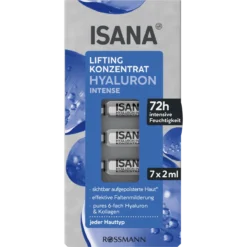
Hyaluronic acid: A moisture-binding ingredient used in hydrating serums. It helps keep the skin's surface hydrated and can give dry or dehydrated skin a smoother, plumper appearance.
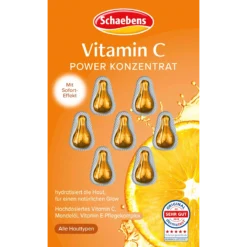
Vitamin C: An ingredient used in serums for dull-looking skin and uneven skin tone. Results and tolerability depend on the form of vitamin C, its concentration and the complete formulation. A vitamin C serum does not replace sunscreen.
Niacinamide: Also known as vitamin B3, niacinamide can support the skin barrier and help reduce moisture loss. It is found in formulas for a range of needs, including hydration, uneven tone and oily skin.
Retinol: A vitamin A ingredient used to improve the appearance of fine lines, uneven tone and skin texture. Introduce it gradually, follow the product instructions and use sun protection during the day. Retinol should not be used during pregnancy.
Choose by the complete formula and your skin's tolerance. A higher ingredient percentage does not automatically make a serum the better choice for your routine.
Face serums commonly come in bottles with a pump or dropper and are designed for repeated use. Textures range from watery gels to richer emulsions and oil-based formulas.
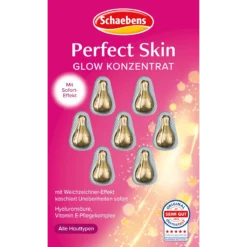
Facial concentrates are often marketed around a particular ingredient or skincare concern. The name alone does not tell you how concentrated or effective a formula is, so check the product details and directions.
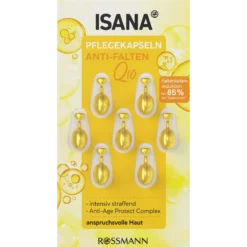
Skincare ampoules provide pre-portioned care, often in single-use packaging. Depending on the product, they may be intended for occasional use or a defined skincare course. Follow the instructions for opening, application and disposal.
Choose the format that fits your routine and preferred texture, then compare ingredients, intended use and application frequency.
Use your serum as often as recommended on the label. Hydrating formulas and intensive active treatments may have different application schedules.
Start with one main skincare goal rather than adding several new serums at once. This makes it easier to assess how your skin responds and whether a product suits your routine.
When layering products, follow their compatibility and application instructions. Avoid introducing several potentially irritating treatments, such as retinol and exfoliating acids, at the same time.
If your skin becomes irritated, reduce or stop the new treatment and return to a gentle routine. Consistent use of a suitable serum, moisturizer and daily sun protection is more practical than frequently switching between intensive formulas.